Area from the cheeks to the jaw
The aim is to lift the descended cheeks and restore fullness at the front of the cheeks without fillers or implants. The technique also addresses downturned mouth corners, sagging around the mouth, and the jawline.


At THE PLAN, a deep plane facelift repositions both the SMAS (a layer of connective tissue beneath the skin) and the facial fat.
Our medical director, Jun Hyung Park, performs the operation. It takes about three and a half hours. Patients stay in hospital for one day and have their stitches removed after one week.
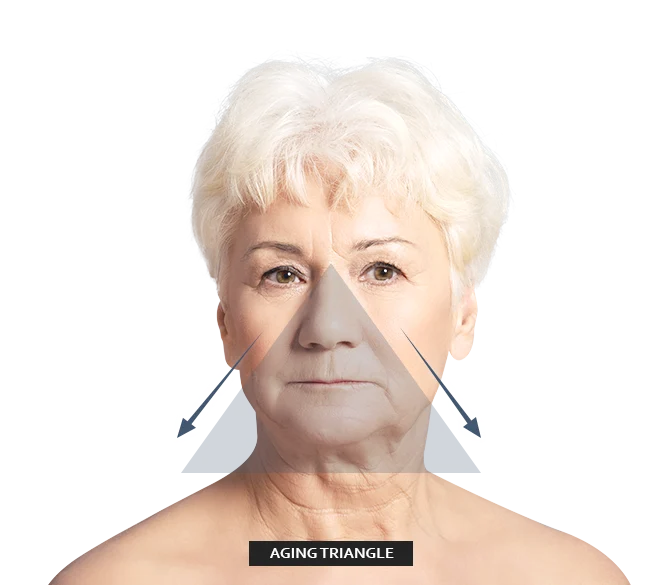
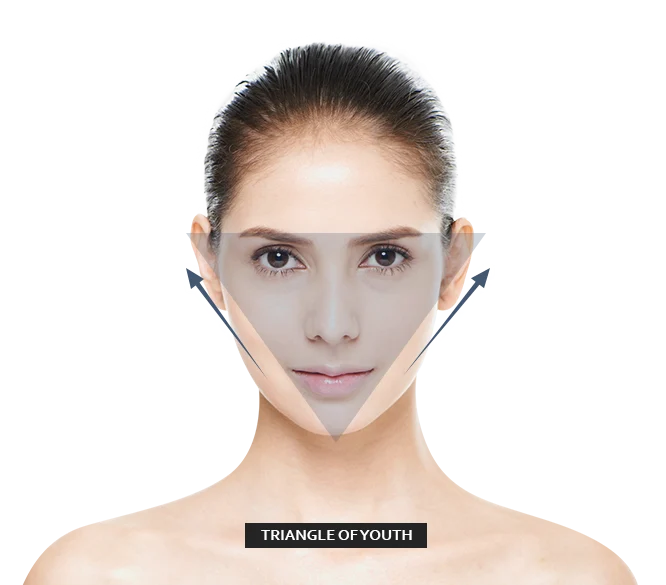
The deep plane lies between the SMAS, the fascial layer beneath the skin, and the muscles of facial expression. The technique focuses on repositioning fascia and fat rather than pulling on the skin.
The surgeon releases the retaining ligaments in the deep plane so that the SMAS can be lifted with very little tension.
The aim is to lift the descended cheeks and restore fullness at the front of the cheeks without fillers or implants. The technique also addresses downturned mouth corners, sagging around the mouth, and the jawline.
The surgeon plans the incision around your face shape and hairline to limit visible scarring. The plan also takes account of the risk of the earlobe being pulled out of shape, sometimes called a pixie ear deformity.
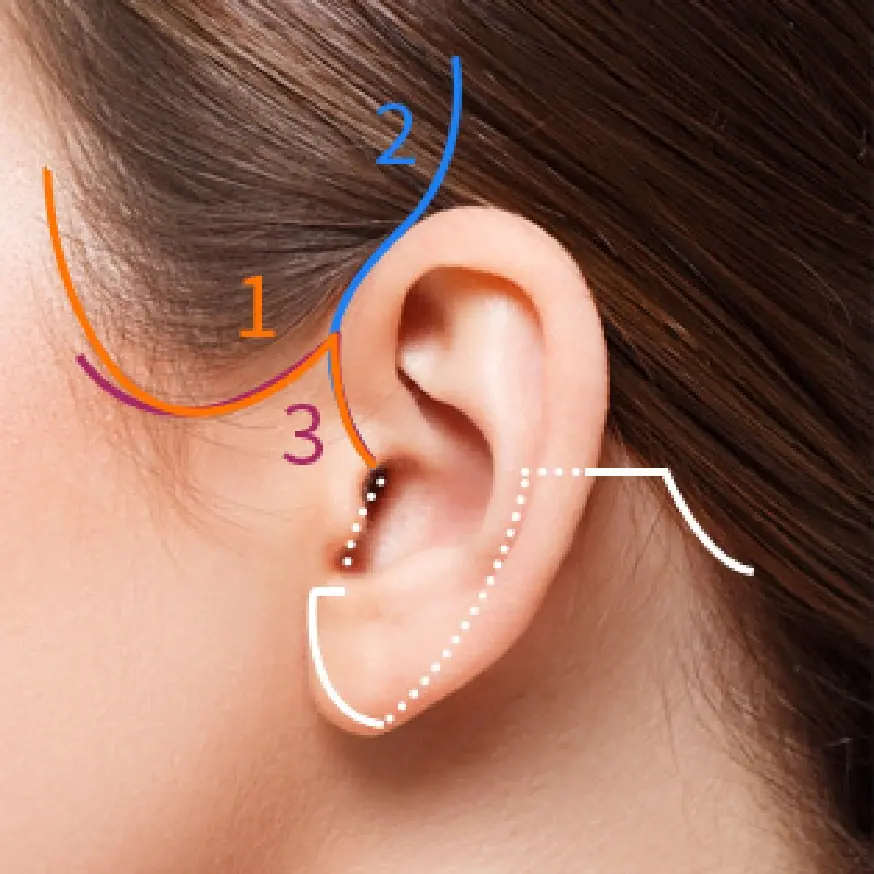
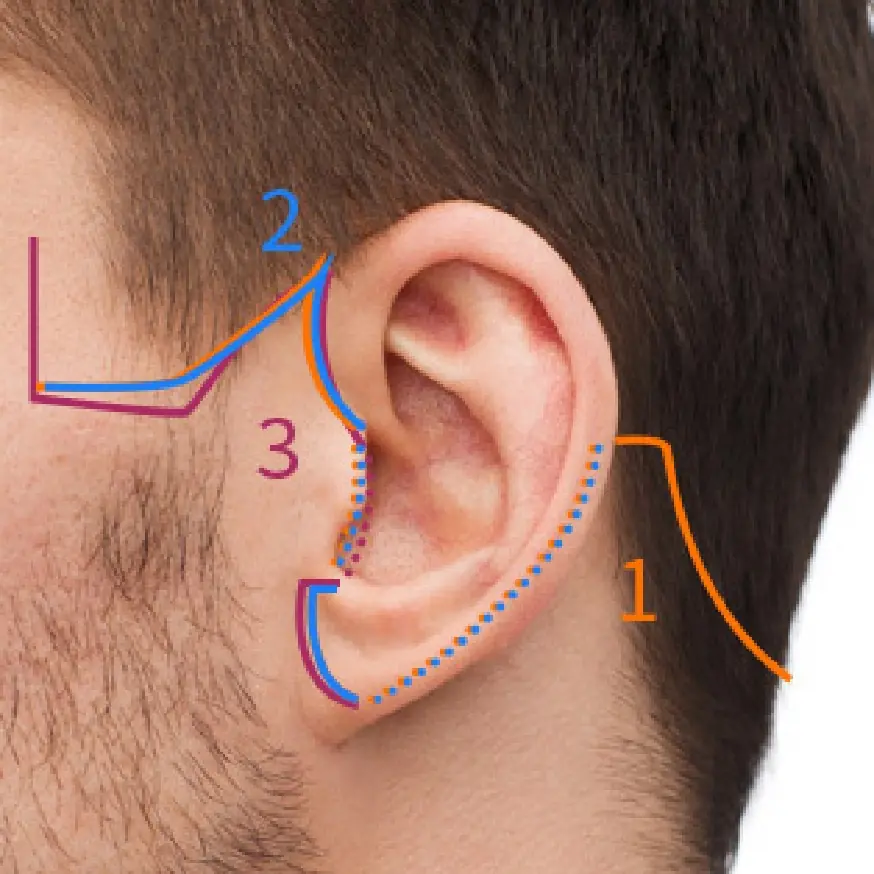
The skin remains attached as the descended muscle, fat, and SMAS are moved together. Only a limited amount of skin is removed.

Repositioning the SMAS for a natural-looking result

Lifting and restoring fullness to the front of the cheeks

Limiting skin removal to preserve skin softness

Softening the nasolabial folds

Surgery time: approximately 3 hours 30 minutes

Recovery Period Estimate 7-10 Days

Incision planning to limit scarring and avoid pulling the earlobe out of shape
Releasing the facial retaining ligaments

Surgeon
Board-certified plastic surgeon in Korea, PhD in medicine
I have personally performed facelifts for more than 10 years.
We recommend this for those who are concerned about the following changes.
| Surgery Time | Approximately 3 hours 30 minutes |
|---|---|
| Anesthesia | Sedation or General Anesthesia |
| Anesthesia Responsibility | One-to-one care by an anesthesiologist |
| Hospital Stay | One day; all recovery rooms are private. |
| Suture Removal | 1 week |
| Recovery Period | 7 to 10 days |
| Method | Deep plane technique with release of the facial retaining ligaments |
| Surgeon | Medical Director Jun Hyung Park, specialist in plastic surgery, PhD in Medicine |
| Daily scheduling policy | 1 case per day (except unavoidable cases) |
The surgeon examines your face and plans the incisions around your facial contours and hairline.
Sedation or general anesthesia is used. An anesthesiologist stays with you individually and monitors your blood pressure, heart rhythm, and breathing.
The procedure takes about 3 hours and 30 minutes. The surgeon releases the retaining ligaments in the deep plane, repositions the SMAS, and secures it. The result after dissection and fixation is recorded on video.
The estimated hospital stay is one day. Recovery rooms are private.
At your appointment after discharge, ask which care is appropriate for you and when you should return. The clinic's postoperative care options are described below.
Stitches are removed about one week after surgery. The estimated recovery period is 7–10 days.
When sagging is concentrated in the midface, the surgeon can lift this area by dissecting the SMAS using a deep plane approach.
This option targets sagging along the jawline and neck.


What to ask before your visit
Discuss the area you are considering and ask about the operating time, type of anesthesia, whether you need to stay in hospital, timing of stitch removal, and expected recovery.
These are estimates for facelift surgery from the clinic's Korean website. Recovery time alone does not determine when you can travel home. Before you book your trip, ask about your return date and follow-up care after you get home.
Facelift surgery takes about 3 hours and 30 minutes under sedation or general anesthesia.
The average hospital stay is 1 day.
Suture removal.
Estimated recovery period.
Risks include bleeding, infection, and inflammation. Recovery varies from person to person. Before surgery, ask your surgeon about your individual risks and whom to contact if you notice a concerning change afterward.
Below is an introduction to the clinic's recovery rooms and care services. Ask at your consultation which treatments you will receive and when you should return for follow-up.
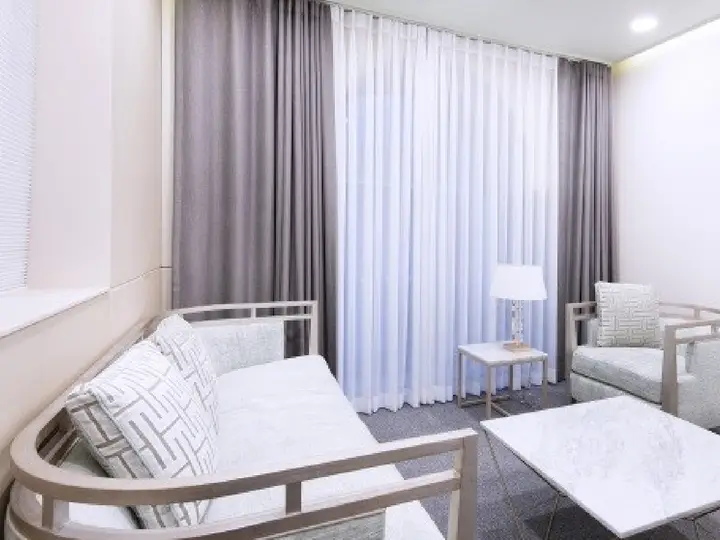
Each patient has a private recovery room.
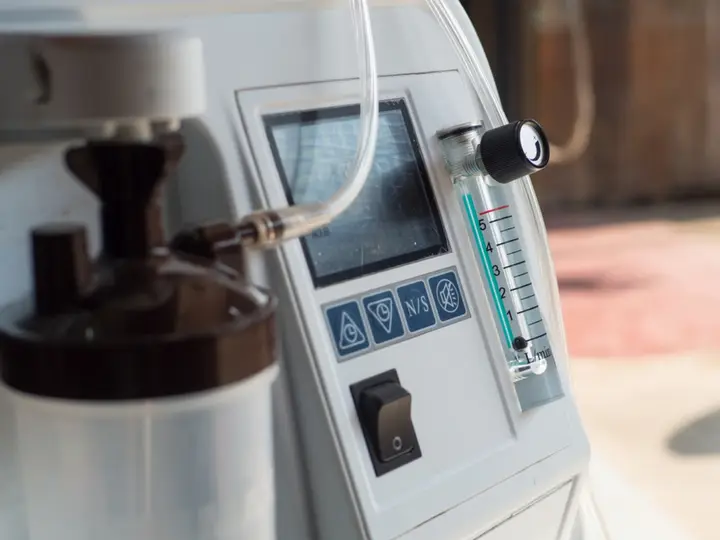
This treatment is intended to support wound healing and tissue repair.
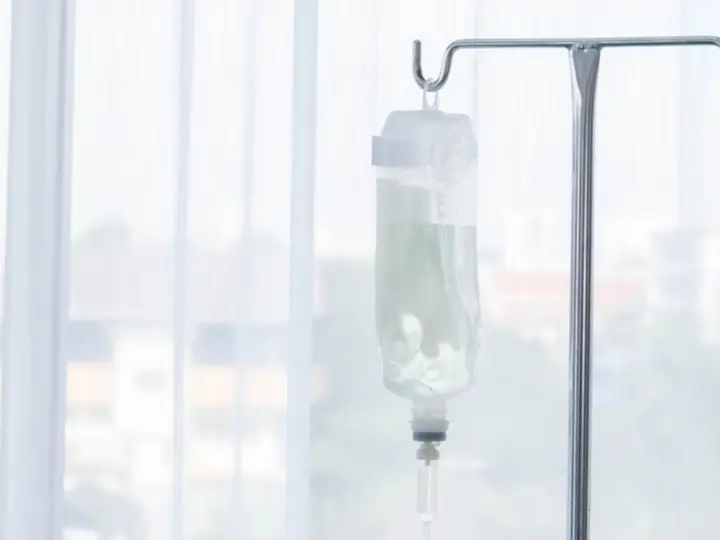
Our clinic offers this IV treatment to help manage inflammation after surgery.

A shampoo service is provided for patients who find it difficult to wash their hair themselves after surgery.
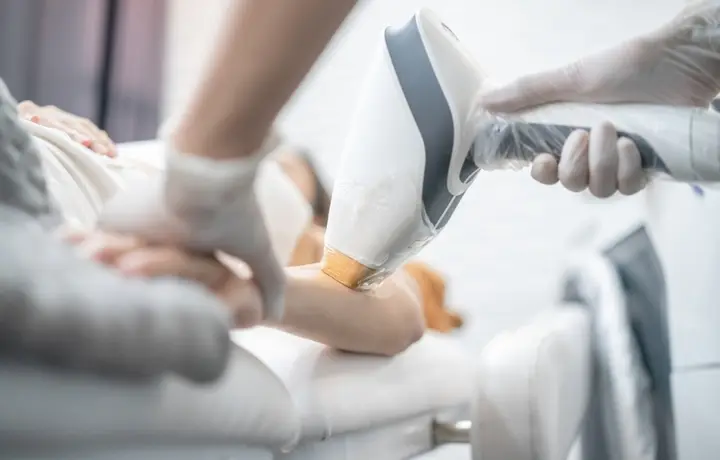
Our clinic uses this device to care for postoperative swelling.
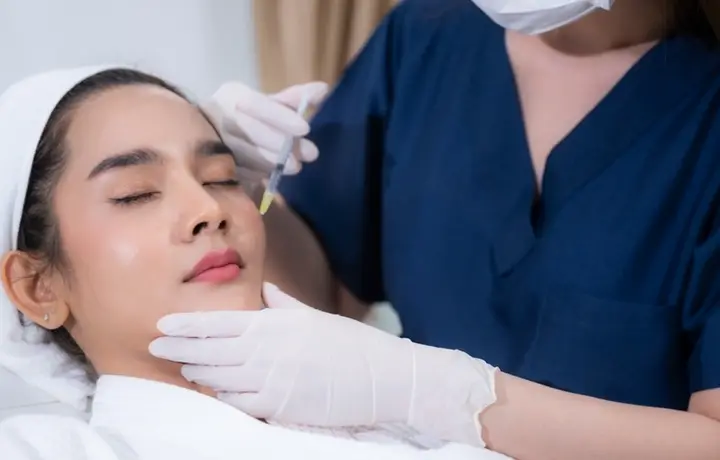
Depending on your skin, the clinic may offer injections to help make scars less noticeable.
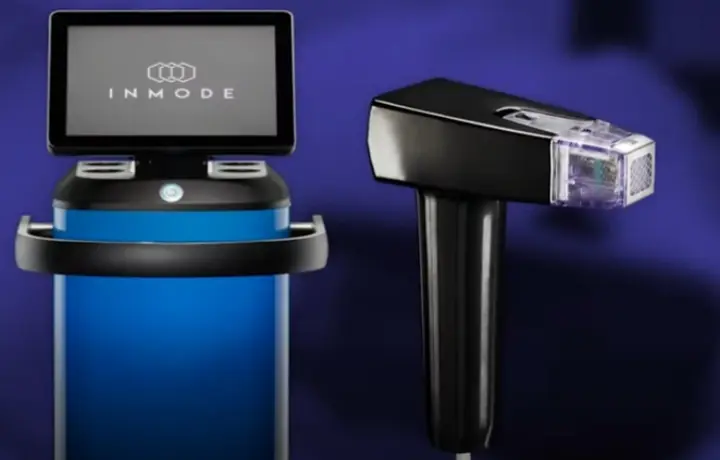
Our clinic offers this treatment for concerns about fine lines, visible pores or skin texture.
Find answers to common questions below. If you have another question, you can ask us using the online booking form.
The aim is to lift the descended cheeks and restore fullness at the front of the cheeks without fillers or implants. The technique also addresses downturned mouth corners, sagging around the mouth, and the jawline.
Approximately 3 hours and 30 minutes.
The operation is performed under sedation or general anesthesia. An anesthesiologist provides one-to-one care.
Hospitalization is for one day. All recovery rooms are private rooms.
Suture removal is one week after surgery. The recovery period is approximately 7 to 10 days.
The surgeon plans the incision around your face shape and hairline to limit visible scarring. The plan also takes account of the risk of the earlobe being pulled out of shape, sometimes called a pixie ear deformity.
Depending on the patient, the clinic may discuss combining a facelift with a submental lift, submandibular gland resection, fat grafting, philtrum shortening, or facial bone contouring.
Typical estimates are one day in hospital, stitch removal one week after surgery, and a recovery period of 7–10 days. Those figures alone do not determine when you can travel home. Before your visit, discuss where you can have your postoperative examination and stitches removed.
A mini facelift targets either the midface or the lower face when sagging is mild. The incision and the area lifted depend on the region treated.