
Facelift after facial contouring surgery
If facial skin sags and the jawline loses definition after facial bone contouring, the surgeon first assesses the cause and then plans a facelift to refine the contour.
Depending on the extent of sagging, the options are a mini facelift of the midface or lower face, or a full-face deep plane facelift.
Reasons for sagging after contour surgery
When bone is removed during contour surgery, the skin that was on top of the bone can sag.
This can result in a blurred facial line and make the face look older.
At THE PLAN Plastic Surgery, we first confirm the cause and then plan a surgical procedure to enhance the facial line.
What is the deep plane technique?
The deep plane is the tissue plane between the SMAS, the fascial layer beneath the skin, and the muscles of facial expression. The technique focuses on repositioning fascia and fat rather than pulling on the skin.
In Dr. Jun Hyung Park's deep plane technique, the retaining ligaments in this plane are released so the SMAS can be lifted with very little tension.
The skin remains attached to the underlying tissue while the descended muscle, fat, and SMAS are repositioned together. Only a limited amount of skin is removed.
See which areas a deep plane facelift treats and where the incisions are madeTHE PLAN Plastic Surgery recommends this facelift for the following people
- People with loose skin after facial bone contouring, double-jaw surgery, or extensive liposuction
- After a contour surgery, you may find your facial lines blurred and appear older
- Those considering a revision surgery and concerned about skin sagging

Surgeon
Medical Director Jun Hyung Park
Board-certified plastic surgeon in Korea, PhD in medicine
I have personally performed facelifts for more than 10 years.
- Deep Plane Facelift
- Facelift with release of the retaining ligaments
- Submandibular salivary gland resection
Basic Information
| Target | Skin laxity after procedures such as facial bone contouring, double-jaw surgery, or liposuction |
|---|---|
| Method | A mini facelift of the midface or lower face, or a deep plane facelift |
| Operating time and anesthesia if you choose a deep plane facelift | About 3 hours and 30 minutes under sedation or general anesthesia |
| Hospital stay, stitch removal, and recovery if you choose a deep plane facelift | Typical estimates: 1 day in hospital, stitch removal 1 week after surgery, and a recovery period of 7–10 days. |
| Surgeon | Director Jun Hyung Park |
Post-operative care provided at our clinic
Learn about the clinic's recovery rooms and postoperative care options. Ask at your consultation which treatments you will receive and when you should return for follow-up.
Care immediately after surgery

A private recovery room
Each patient has a private recovery room.

Hyperbaric Oxygen Therapy
This treatment is intended to support wound healing and tissue repair.

High-concentration IV therapy
Our clinic offers this IV treatment to help manage inflammation after surgery.

Shampoo Service
A shampoo service is provided for patients who find it difficult to wash their hair themselves after surgery.
Post-Discharge Care

Smartlux
Our clinic uses this device to care for postoperative swelling.

Scar injections
Depending on your skin, the clinic may offer injections to help make scars less noticeable.
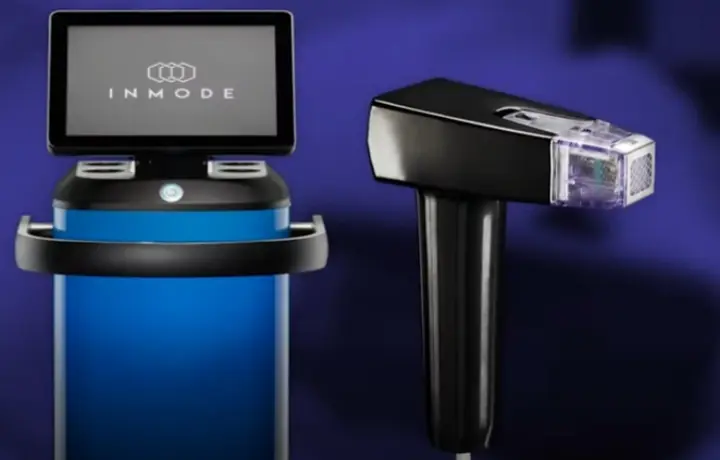
Morpheus8
Our clinic offers this treatment for concerns about fine lines, visible pores or skin texture.
※Recovery varies from person to person. Possible complications include bleeding, infection, and inflammation. Discuss the risks and other information you need before deciding whether to proceed.
Frequently Asked Questions
Find answers to common questions below. If you have another question, you can ask us using the online booking form.
Why does sagging occur after contour surgery?
When bone is removed during contour surgery, the skin above it may sag. This can make facial lines unclear and make you look older.
Can a mini lift also be an option?
A mini facelift may be an option for sagging after facial bone contouring, double-jaw surgery, or extensive liposuction. It targets either the midface or the lower face depending on where the sagging occurs.
Does a lift surgery change the shape of the bone?
A facelift alone cannot change the shape of the bones. If bone size or asymmetry is a concern, the clinic may discuss combining facial bone contouring with a facelift.
Can we consult about a revision of the contour surgery together?
Previous surgery can leave the skin more prone to sagging, so a facelift can be considered when planning revision facial bone contouring.
How long is the surgery and how long is the hospital stay?
If you choose a full-face deep plane facelift, typical estimates are about 3 hours and 30 minutes for surgery, 1 day in hospital, stitch removal 1 week after surgery, and 7–10 days for recovery. If you choose a mini facelift, discuss timing for your own treatment area at the consultation.
Is post-operative care the same for everyone?
The clinic offers services such as help with hair washing if you find it difficult and scar care tailored to your skin. At your consultation, ask which care you will receive and when to return for follow-up.
Related Pages
The timing estimates come from the Korean clinic website's deep plane facelift guide. The explanation for sagging after facial bone contouring is based on the clinic's Japanese surgical guide.
Source: 안면거상술・미니거상, 안면윤곽, 수술 후 회복
Updated: