Midface lift

- Incision Location
- From the sideburn to the tragus, the small projection in front of the ear canal
- Lifting Range
- From beneath the brow across the outer cheek to the nasolabial fold and jawline

The surgeon plans the incision according to where the sagging occurs and lifts either the midface or the lower face.
Using a deep plane approach, the surgeon dissects and lifts the SMAS layer so that the lift does not rely on tension on the skin alone.
The surgeon chooses either the midface or lower face according to the location of the sagging.

What to ask before your visit
Discuss the area you are considering and ask about the operating time, type of anesthesia, whether you need to stay in hospital, timing of stitch removal, and expected recovery.
A mini facelift targets either the midface or the lower face, depending on where the lift is needed.
Even though the area is small, it is not a procedure that simply pulls up the surface skin.
The position of the incision is determined by looking at the area where sagging occurs.
The surgeon releases the retaining ligaments, dissects the SMAS over a broad area, and then lifts the tissues.
The incision is tailored to the midface or lower-face treatment area to limit the extent of scarring.
We value natural results and ease of recovery.

Surgeon
Board-certified plastic surgeon in Korea, PhD in medicine
I have personally performed facelifts for more than 10 years.
| Area | Either the midface or the lower face |
|---|---|
| Incision Line (Middle Face) | From the sideburn to the tragus, the small projection in front of the ear canal |
| Incision Line (Lower Face) | From in front of the earlobe, around the back of the ear, to the hairline at the back of the head |
| Method | SMAS dissection using a deep plane approach |
| Surgeon | Director Jun Hyung Park |
The mini facelift is a surgical procedure that lifts either the middle face or the lower face.
For sagging throughout the face, the clinic uses a deep plane facelift to release the retaining ligaments and lift the descended tissues.
Learn about the clinic's recovery rooms and postoperative care options. Ask at your consultation which treatments you will receive and when you should return for follow-up.

Each patient has a private recovery room.
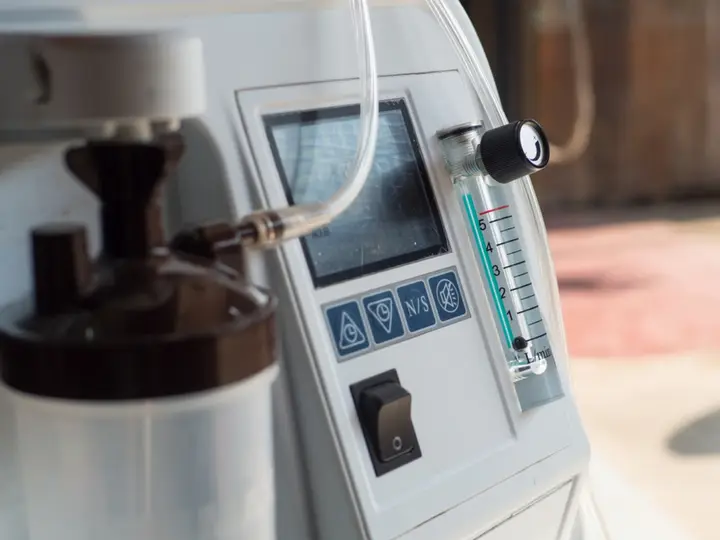
This treatment is intended to support wound healing and tissue repair.

Our clinic offers this IV treatment to help manage inflammation after surgery.

A shampoo service is provided for patients who find it difficult to wash their hair themselves after surgery.
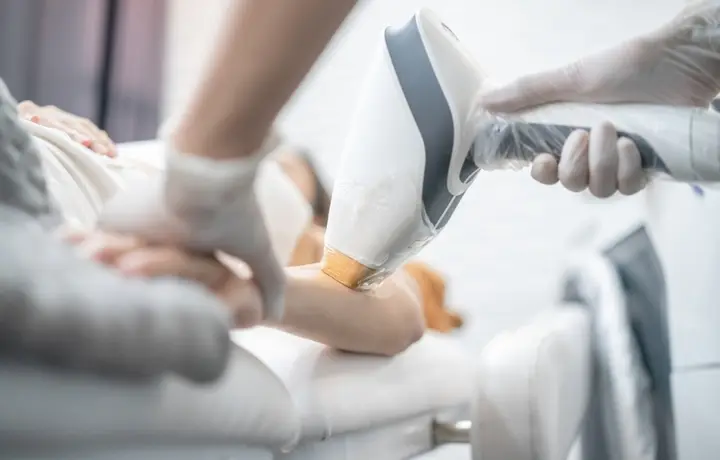
Our clinic uses this device to care for postoperative swelling.
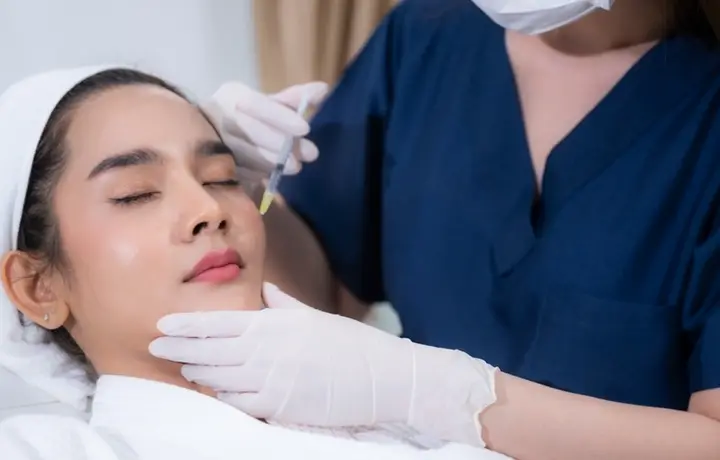
Depending on your skin, the clinic may offer injections to help make scars less noticeable.
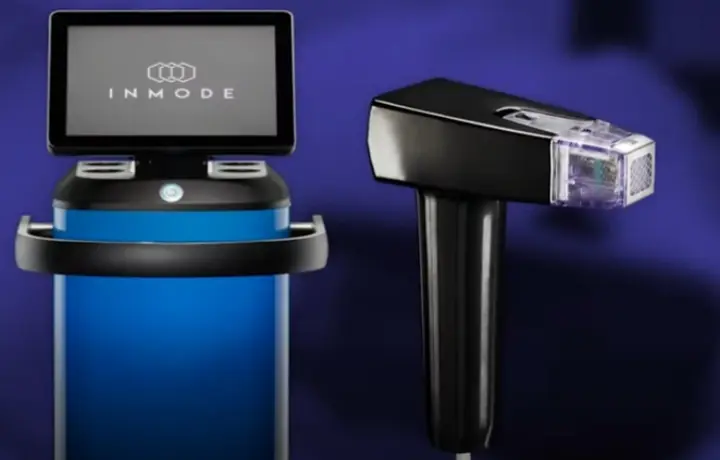
Our clinic offers this treatment for concerns about fine lines, visible pores or skin texture.
※Recovery varies from person to person. Possible complications include bleeding, infection, and inflammation. Discuss the risks and other information you need before deciding whether to proceed.
Find answers to common questions below. If you have another question, you can ask us using the online booking form.
A mini facelift targets either the midface or the lower face. For sagging throughout the face, the clinic uses a deep plane facelift that releases the facial retaining ligaments.
For a midface lift, the incision runs from the sideburn to the tragus, the small projection in front of the ear canal. For a lower-face lift, it runs from in front of the earlobe, behind the ear, and to the hairline at the back of the head.
The midface option covers the area from below the brow across the outer cheek to the nasolabial folds and the jawline. The lower-face option targets the jawline and neck contour.
This procedure is recommended for individuals who do not have significant facial sagging that would require a full facelift, and who wish to minimize recovery time and scarring.
A mini facelift may be considered for skin laxity following facial bone contouring, double-jaw surgery, or extensive liposuction.
A mini facelift targets either the midface or the lower face. Tell the clinic which area you are considering and ask about the operating time, type of anesthesia, whether you need to stay in hospital, when stitches are removed, and how long recovery may take.
The clinic offers services such as help with hair washing if you find it difficult and scar care tailored to your skin. At your consultation, ask which care you will receive and when to return for follow-up.