
Forehead lift (endoscopic)
An endoscope is used through small incisions in the hair-bearing scalp to lift the forehead.
The aim is to address forehead lines, frown lines, and drooping brows in a single operation.
Forehead Lift is recommended for the following people
Because the incision is small, it helps to minimize post-surgery scarring, and lifting the forehead can change the overall facial impression.
- People with deep and clear forehead and frown lines
- People whose eyelids have begun to droop as the muscles around the brows weaken
Other methods may be introduced
- For sagging cheeks or a less defined jawline, a mini facelift targeting either the midface or the lower face may also be an option.
The incision is made inside the scalp
Five incisions are made within the hair-bearing scalp. Each is 1–2 cm long.
The surgeon works through incisions in the hair-bearing scalp using an endoscope, which helps keep the resulting scars less visible.
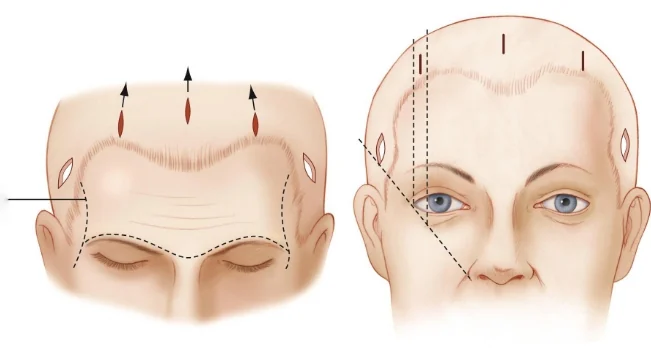
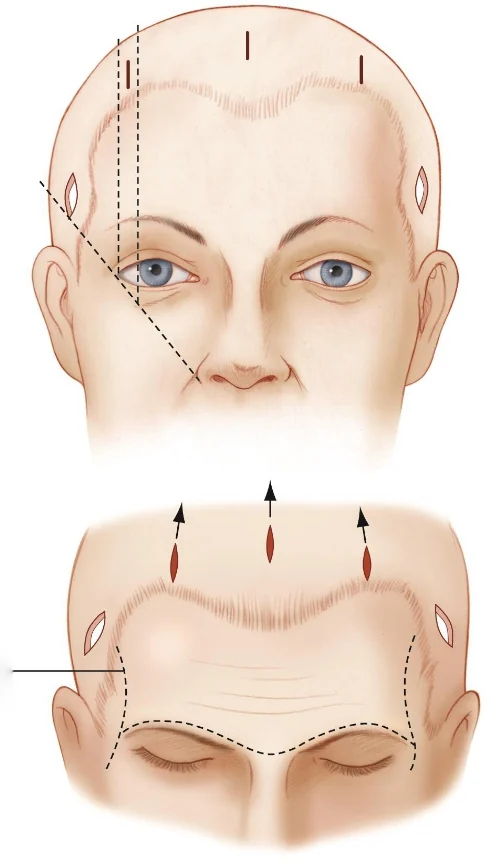
Procedure flow
-
Incisions in the hair-bearing scalp
The surgeon makes five incisions in the hair-bearing scalp, each 1–2 cm long.
-
Endoscopic dissection
Endoscopic visualization allows the surgeon to dissect the tissue precisely, which may limit bleeding and support a quicker recovery.
-
Dividing the corrugator muscle and elevating the forehead
With endoscopic guidance, the surgeon divides the corrugator muscle, which draws the brow down, and lifts the forehead.
-
Fix in place
After addressing lines between the brows and over the bridge of the nose, as well as drooping at the inner corners of the eyes, the surgeon secures the lift at three bone tunnel points and two fascial points.
The corrugator muscle draws the brow down
The corrugator muscle lies between the brows and pulls the brow downward.
A major change in facial movement is not usually expected when this muscle is divided.
Reducing the pull of the corrugator helps the surgeon elevate the forehead. If it is left intact, drooping can recur.
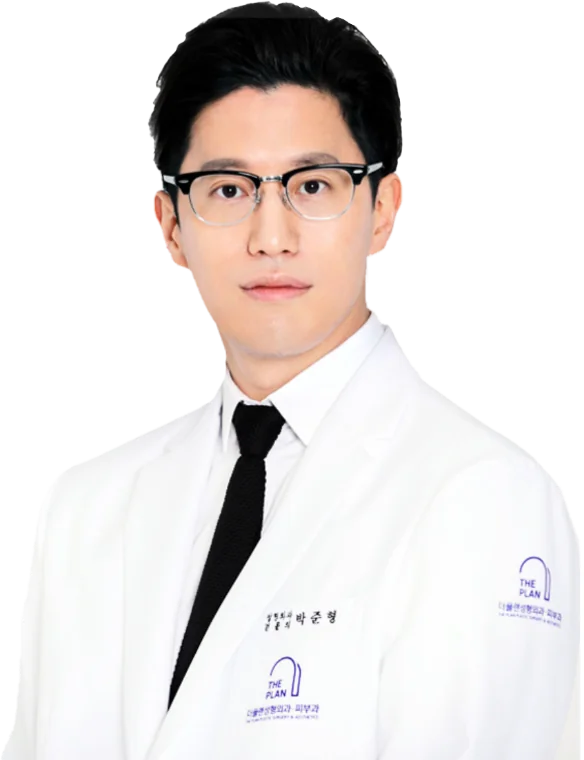
Surgeon
Medical Director Jun Hyung Park
Board-certified plastic surgeon in Korea, PhD in medicine
I have personally performed facelifts for more than 10 years.
- Deep Plane Facelift
- Facelift with release of the retaining ligaments
- Submandibular salivary gland resection
Basic Information
| Incision | Five incisions in the hair-bearing scalp, each 1–2 cm long |
|---|---|
| Method | Tissue dissection under endoscopic visualization |
| Corrugator supercilii muscle | Precise division under endoscopic guidance |
| Fixation | Three bone tunnel fixation points and two fascial fixation points |
| Surgeon | Director Jun Hyung Park |
Cases including forehead lift
This is a progress photo taken under the patient's consent, at the same location and under the same conditions.
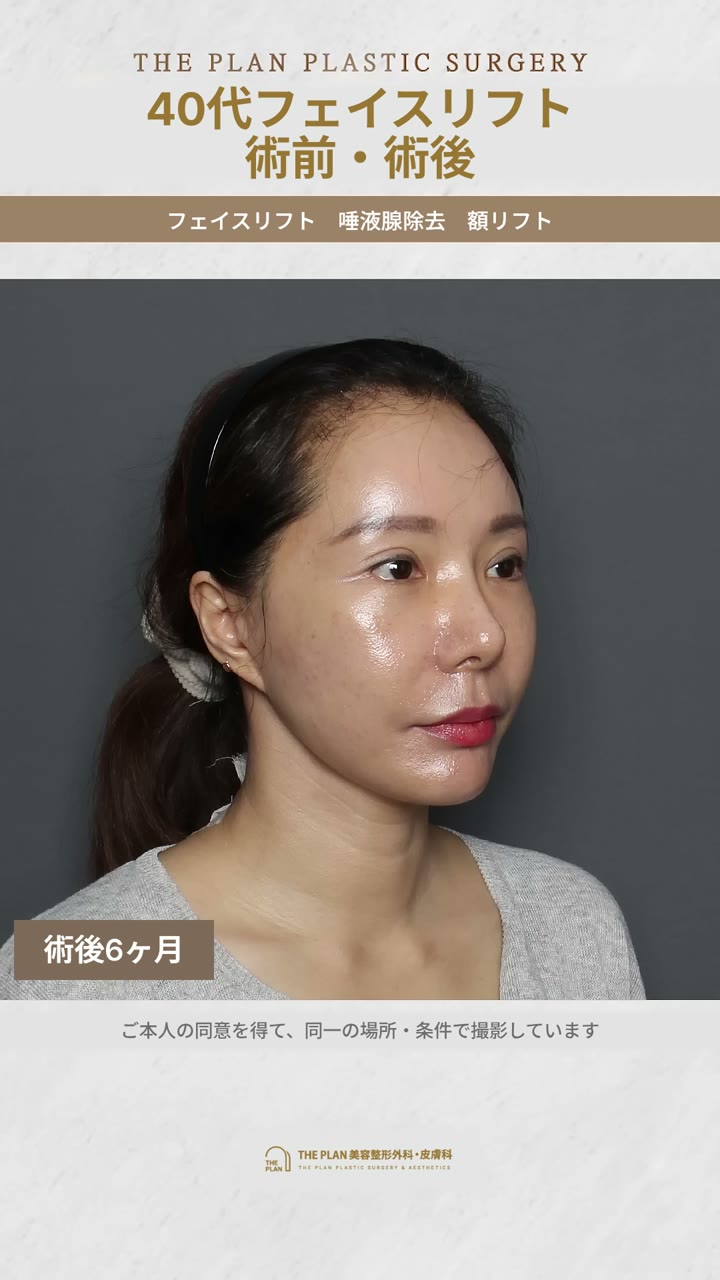
40sFacelift+Salivary gland resection+Forehead Lift
Before surgery and at 2 and 6 months after surgery
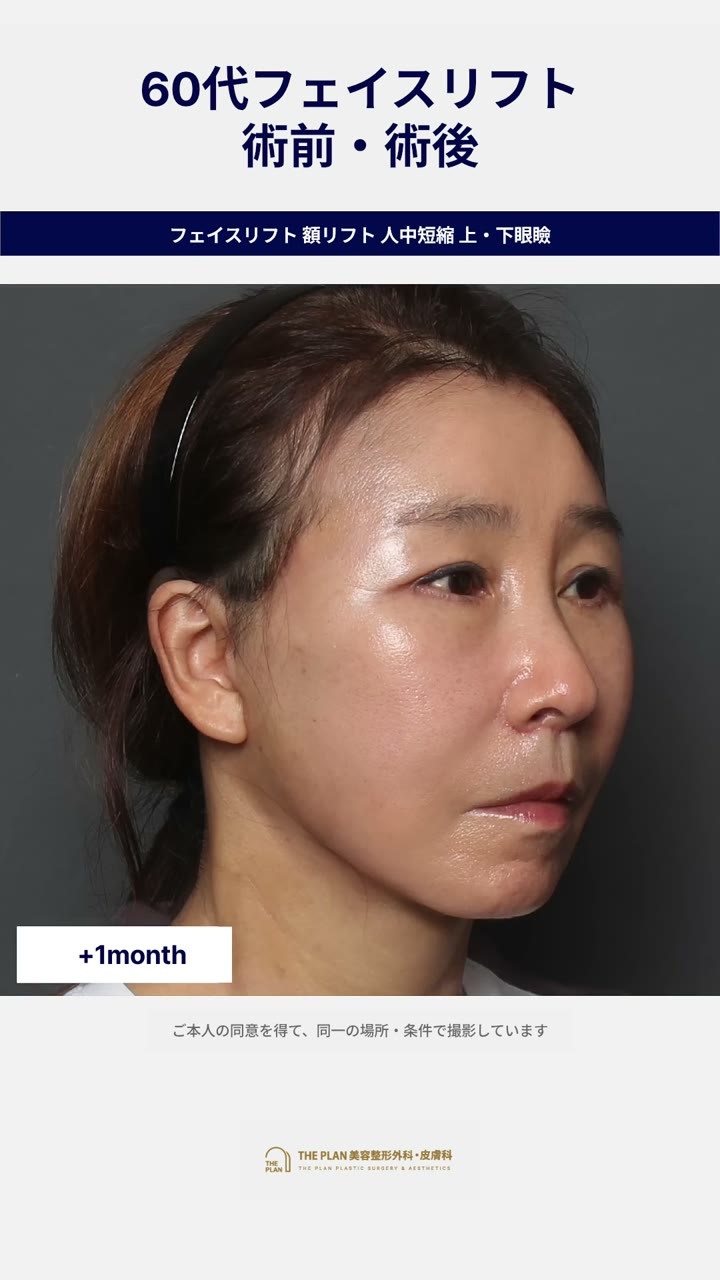
60sFacelift+Forehead Lift+Philtrum shortening (upper lip lift)+Upper and lower eyelid surgery
Before surgery and at 1 month after surgery
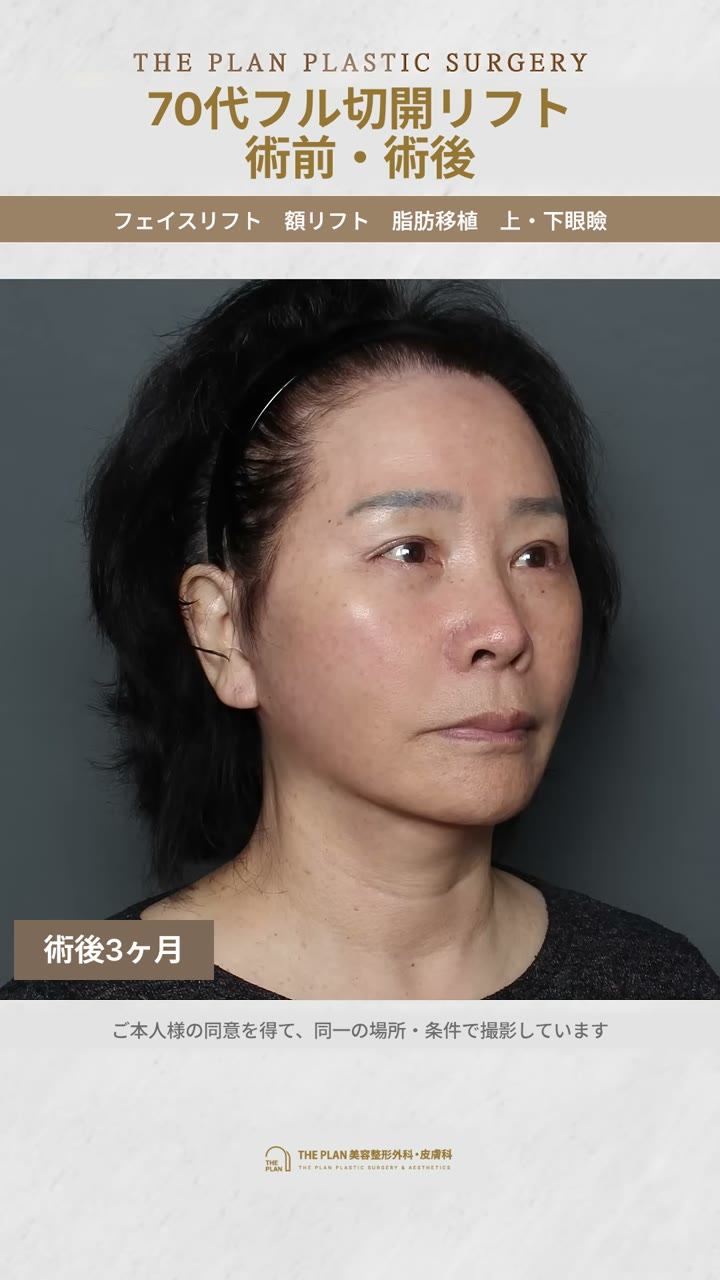
70sFacelift+Forehead Lift+Fat grafting+Upper and lower eyelid surgery
Before surgery and at 1 and 3 months after surgery
- Treatment Content
- These cases include a facelift combined with a forehead lift or other procedures, as listed for each patient. The Medical Director performed the operations.
- Treatment Duration and Sessions
- One operation. The follow-up photographs were taken at the times listed for each patient.
- Main Risks and Side Effects
- Possible risks include swelling, bruising, pain, scarring, asymmetry, temporary numbness, hematoma, and infection. Rarely, temporary facial nerve palsy can occur. Recovery varies from person to person. Possible complications include bleeding, infection, and inflammation. Discuss the risks and other information you need before deciding whether to proceed. Recovery and results may vary from person to person.
Post-operative care provided at our clinic
Learn about the clinic's recovery rooms and postoperative care options. Ask at your consultation which treatments you will receive and when you should return for follow-up.
Care immediately after surgery

A private recovery room
Each patient has a private recovery room.
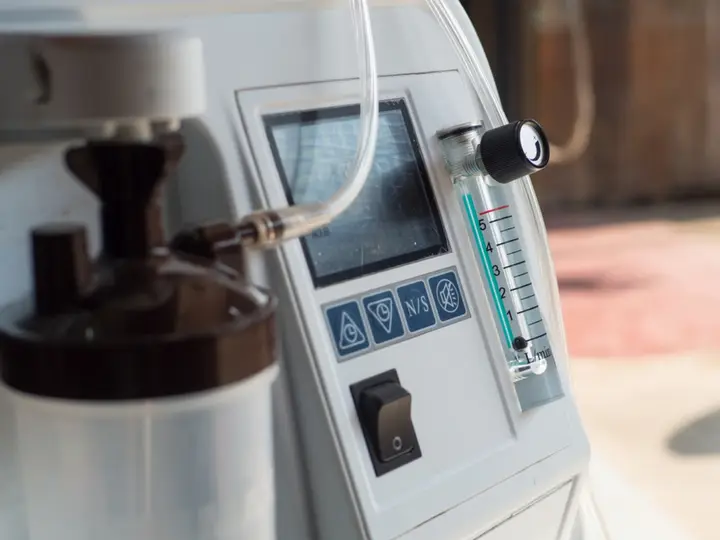
Hyperbaric Oxygen Therapy
This treatment is intended to support wound healing and tissue repair.
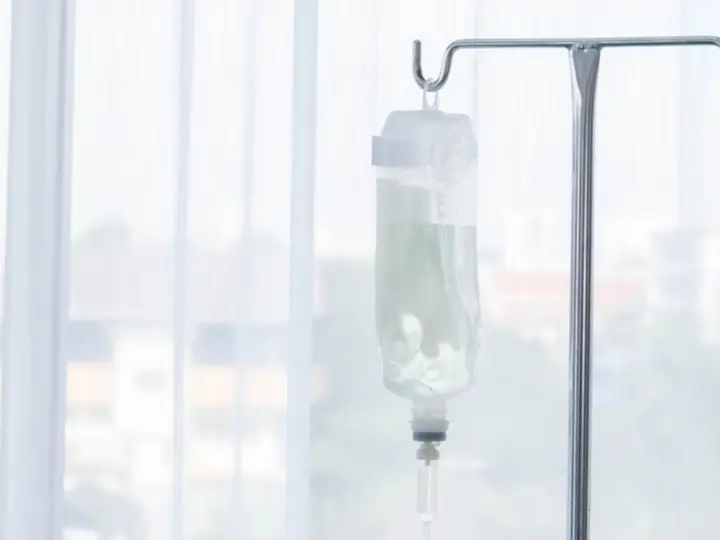
High-concentration IV therapy
Our clinic offers this IV treatment to help manage inflammation after surgery.
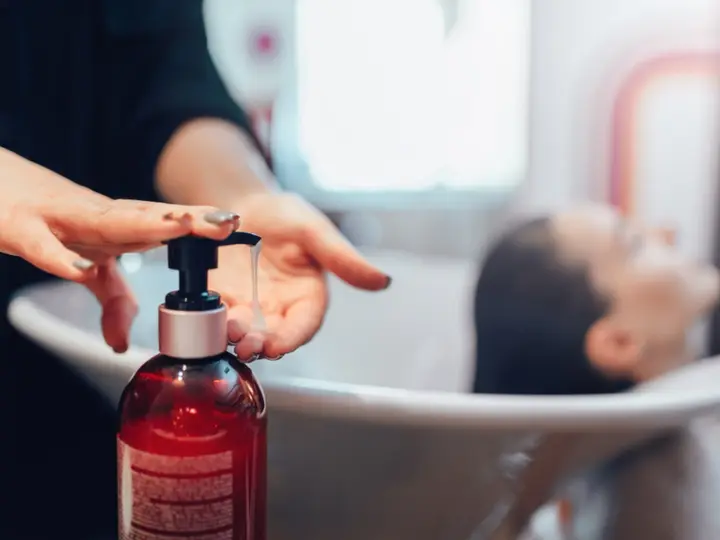
Shampoo Service
A shampoo service is provided for patients who find it difficult to wash their hair themselves after surgery.
Post-Discharge Care
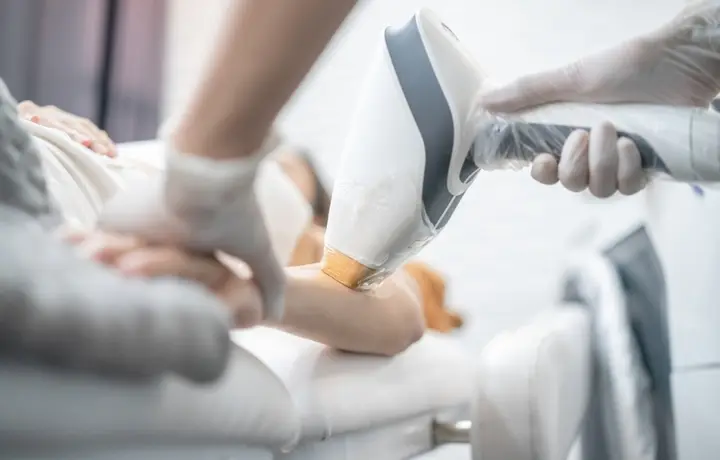
Smartlux
Our clinic uses this device to care for postoperative swelling.
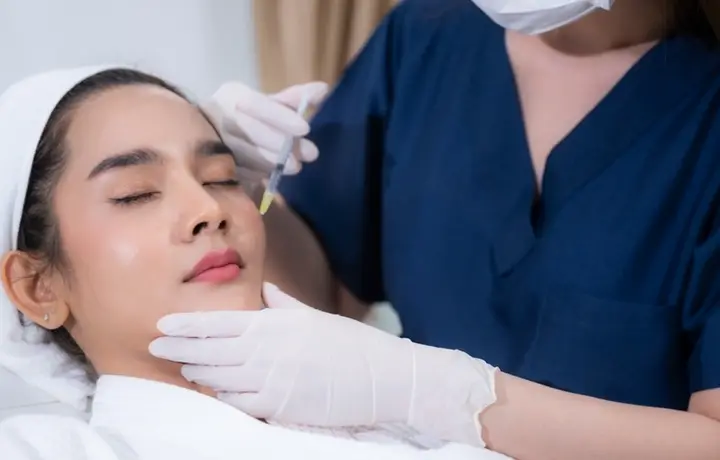
Scar injections
Depending on your skin, the clinic may offer injections to help make scars less noticeable.
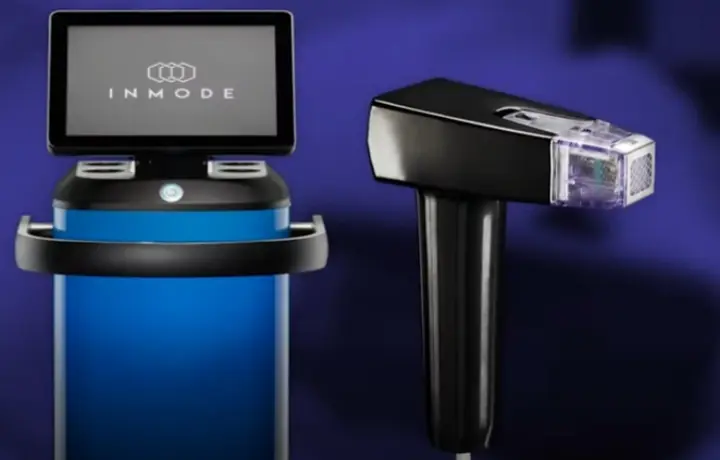
Morpheus8
Our clinic offers this treatment for concerns about fine lines, visible pores or skin texture.
※Recovery varies from person to person. Possible complications include bleeding, infection, and inflammation. Discuss the risks and other information you need before deciding whether to proceed.
Frequently Asked Questions
Find answers to common questions below. If you have another question, you can ask us using the online booking form.
Where is the incision made?
Five incisions, each 1–2 cm long, are made in the hair-bearing scalp. The endoscope allows the surgeon to work through small openings.
Will the scar be noticeable?
An endoscope is used through incisions in the hair-bearing scalp, helping keep visible scarring to a minimum.
What happens to facial movement when the corrugator muscle is divided?
The corrugator lies between the brows and draws them down. Dividing it is not usually expected to cause a major change in facial movement.
Why is the corrugator muscle divided?
Reducing the muscle's downward pull helps the surgeon elevate the forehead. If the muscle is left intact, the forehead may descend again.
How is the lifted forehead fixed?
The lift is secured at three bone tunnel points and two fascial fixation points.
What is different about using an endoscope?
An endoscope allows the surgeon to work through smaller incisions and dissect tissue more precisely. This may limit bleeding and help recovery.
Can I go home on the day of my forehead lift? When are stitches removed?
Our clinic performs endoscopic forehead lifts through incisions in the hair-bearing scalp. At your consultation, ask about the operating time, anesthesia, whether you can go home the same day or need an inpatient stay, when stitches are removed, and your expected recovery.
Is post-operative care the same for everyone?
The clinic offers services such as help with hair washing if you find it difficult and scar care tailored to your skin. At your consultation, ask which care you will receive and when to return for follow-up.